


Privacy Policy | Terms & Conditions | Refund Policy | Delivery vs Collection
© 2026 All rights reserved. McKay Williamson.
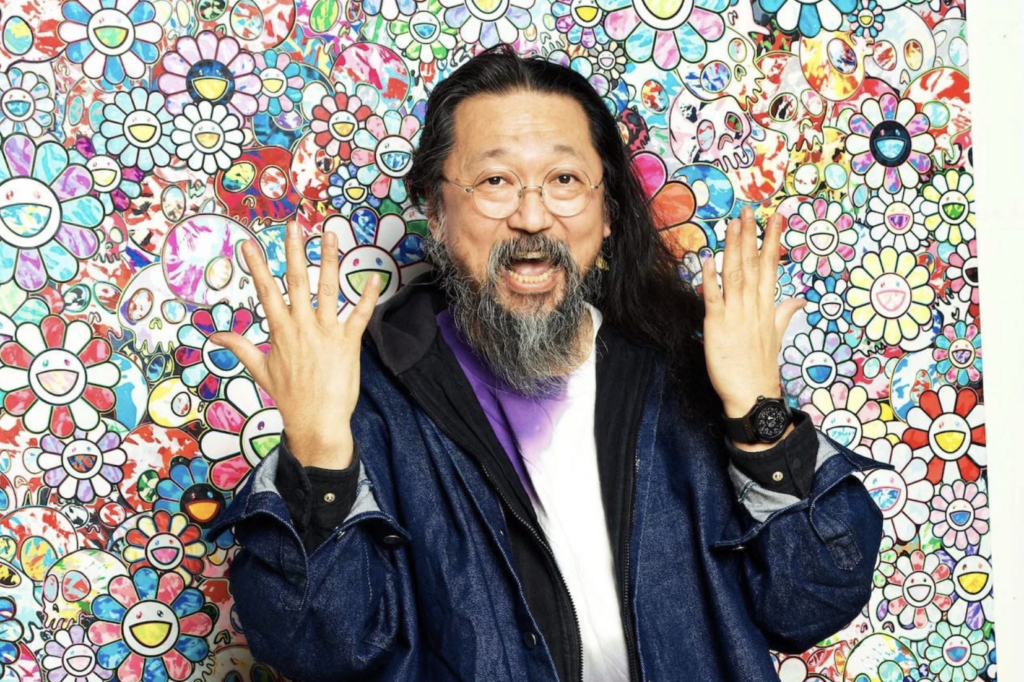
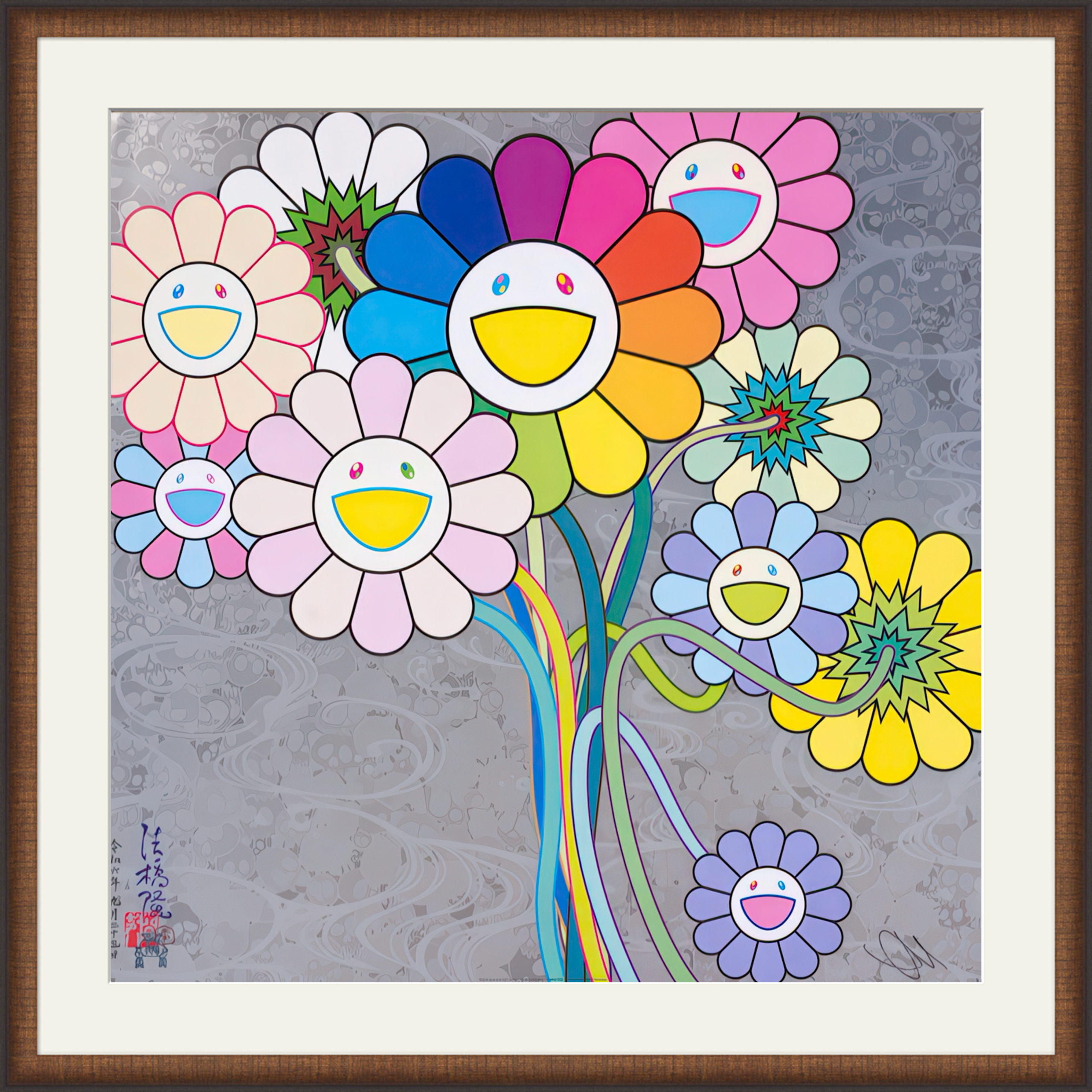
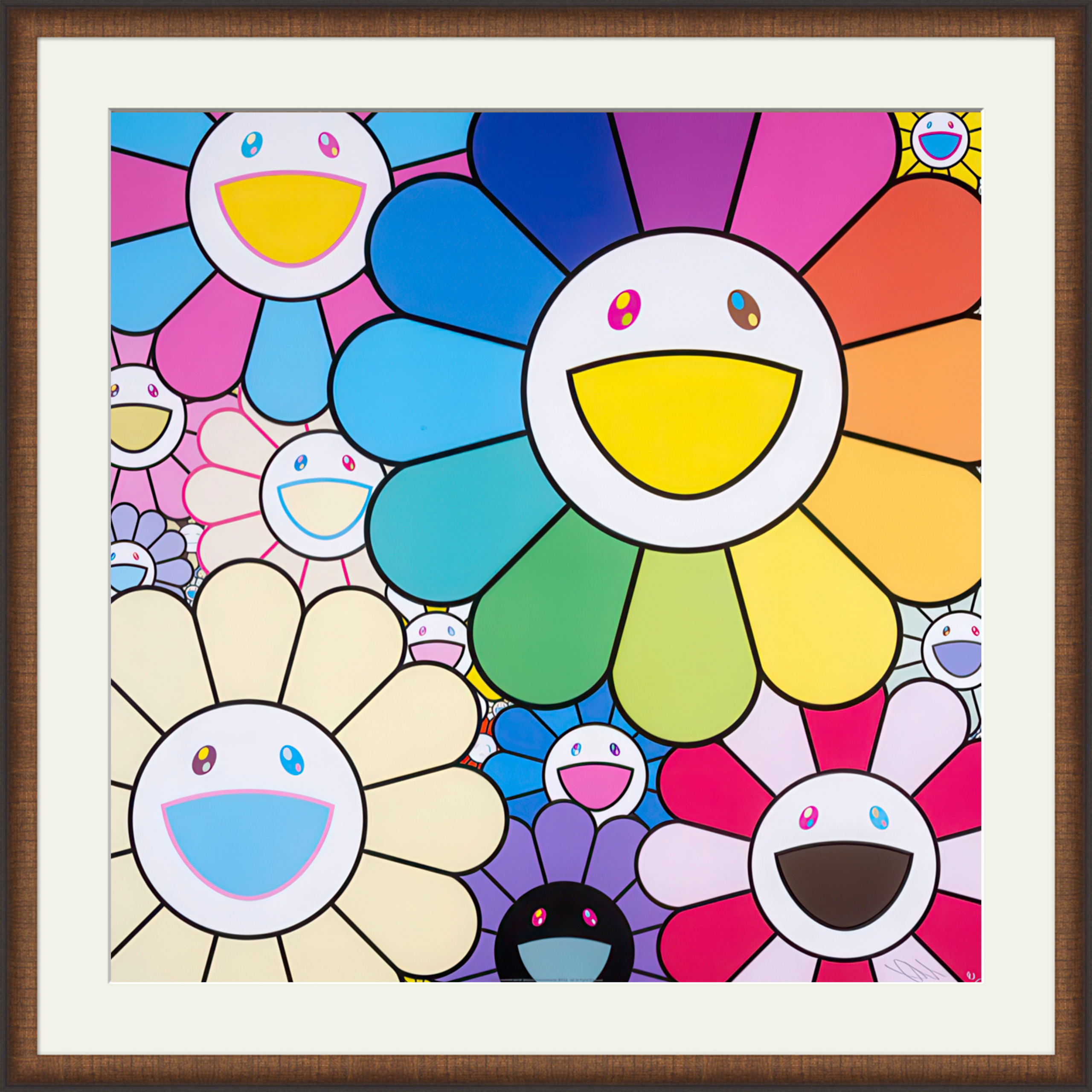
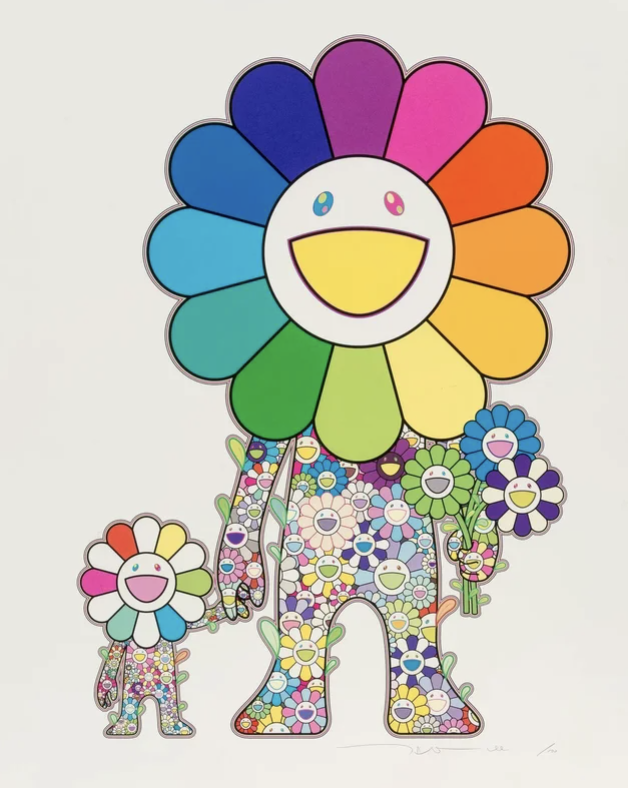
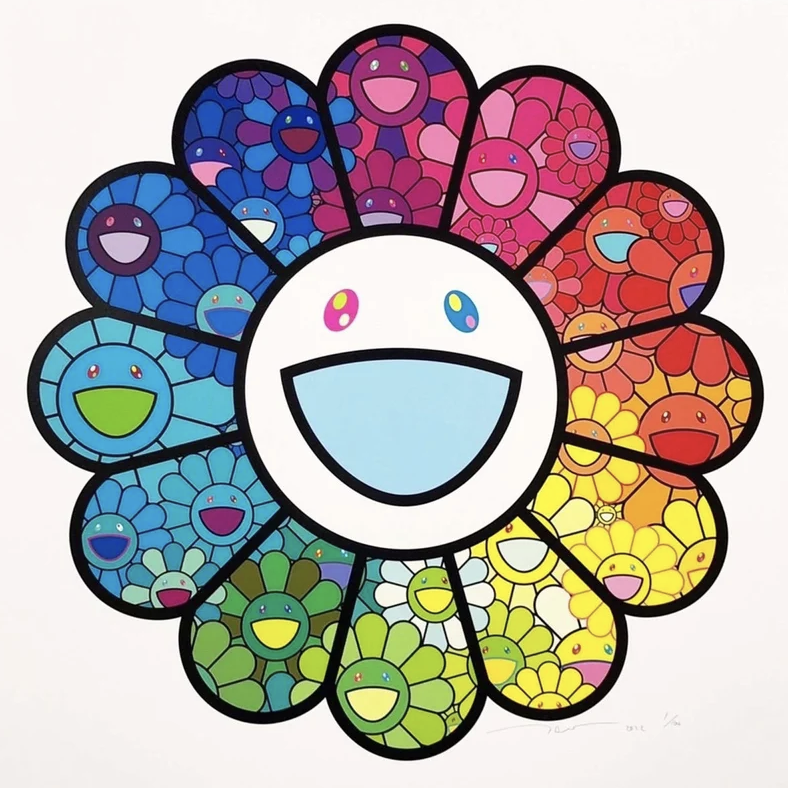
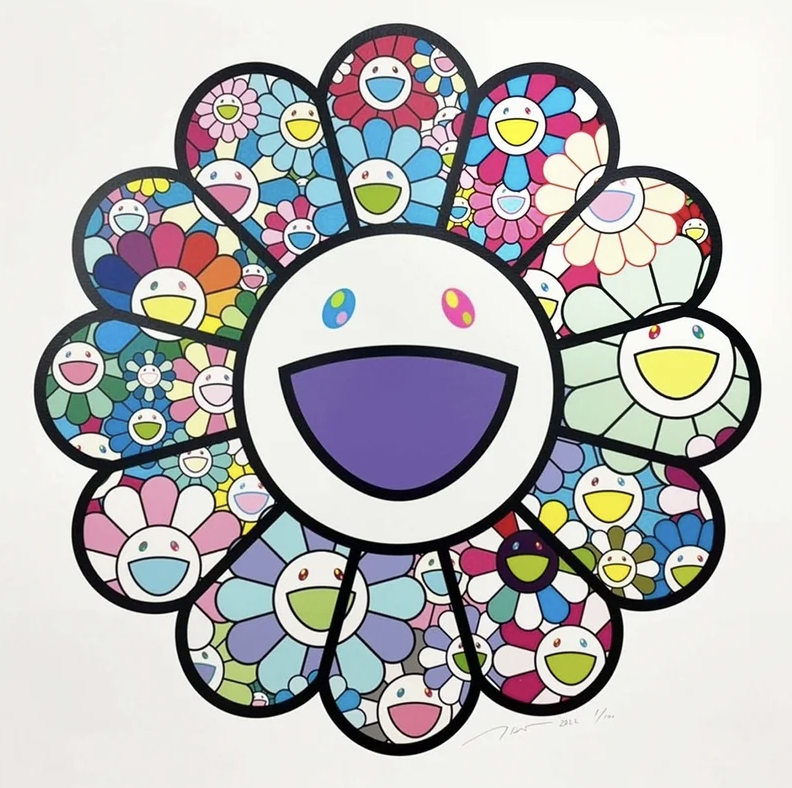
Takashi Murakami's world of grinning flowers and candy colour looks like pure joy on the surface, though a darker charge usually runs underneath it, about war, consumerism and the anxieties of modern Japan. He set out to erase the line between fine art and popular culture.
Showing all 5 results
Privacy Policy | Terms & Conditions | Refund Policy | Delivery vs Collection
© 2026 All rights reserved. McKay Williamson.